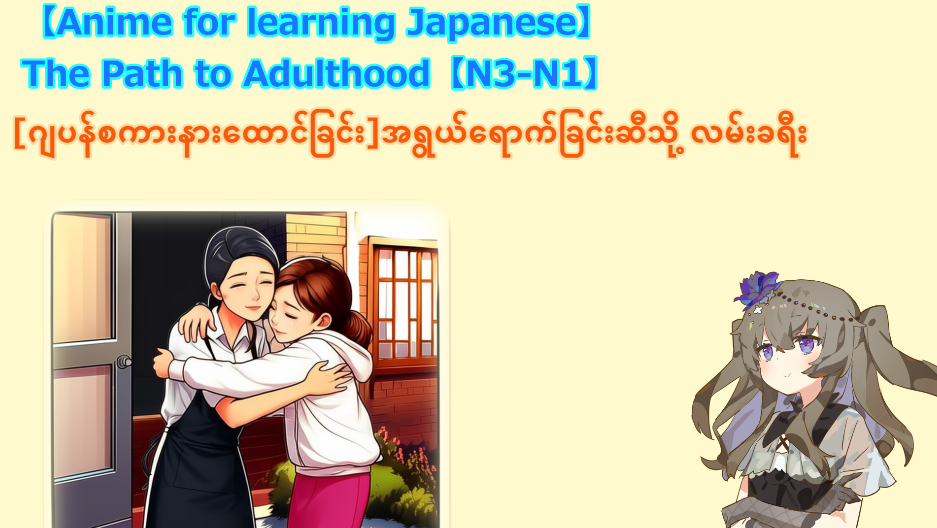
Ever wondered how to truly express deep emotions in Japanese? This piece isn’t just a story; it’s a masterclass in capturing the nuanced feelings of a young woman’s journey to adulthood. From her bittersweet reflections on a quiet hometown to the complex mix of hope and anxiety about a new life in Tokyo, you’ll discover how Japanese gracefully portrays the intricate tapestry of human emotion. Beyond the touching narrative, you’ll also encounter a wealth of N2-level vocabulary and grammar that brings these feelings to life – perfect for anyone looking to deepen their understanding of authentic Japanese expression.
View Related Articles (Tap to expand/collapse)
Let's Talk Weather: Essential Japanese Phrases
『Feeling It』 Describing Physical Sensations in Japanese
Feeling Under the Weather? Essential Japanese Phrases for Medical Symptoms
Feelings in Japanese: Express Yourself!
Get to Know Your 『Karada』 Essential Japanese Body Parts
Mastering Japanese Actions: Essential Phrases
Unlocking Japanese Personalities
Mastering 「How Things Are」 Describing States in Japanese 『状態』
Flow Like a Native『Essential Japanese Connectors』
Mastering Japanese Demonstratives: Pointing Things Out Like a Pro
Navigating Japan: Essential Phrases for Locations and Directions
Connecting in Japanese: Talking About Family and Relationships
School Life in Japan: Key Phrases to Know
Essential Japanese Phrases for Your Workplace
What's Your Job? Learning Japanese Occupations
Getting Around Japan: Useful Phrases for Town and Facilities
Connect with Nature: Essential Japanese Phrases for the Outdoors
Be Prepared: Japanese Phrases for Disasters & Accidents
Making Yourself at Home: Essential Japanese Phrases for Inside the House
Level Up Your Japanese: Hobbies & Sports Phrases!
On the Go in Japan: Essential Vehicle and Transportation Phrases
Mastering Japanese Roads: Key Phrases You Need
Discover Japanese for Living Creatures
Fresh Japanese: Talking About Vegetables and Fruits
Cooking Up Conversation: Essential Japanese for Ingredients
Sip into Japanese: Essential Beverage Phrases
Savor the Flavor: Essential Japanese Taste & Texture Words
Beyond 「Itadakimasu」 Japanese Eating & Drinking Actions
Your Guide to Japanese Kitchen & Dining Essentials
Your Guide to Japanese Home Appliance Vocab
Let's Cook! Essential Japanese Actions for the Kitchen
Painting Your World: Essential Japanese Color Phrases
Tidy Up Your Japanese: Essential Phrases for Cleaning
Essential Japanese for Your Health: Talking About Medicine
Navigating Medical Equipment in Japanese
Feeling Under the Weather? Essential Japanese Healthcare Phrases
Navigating 「Kaigo」 Essential Japanese for Nursing Care
Navigating Japan: Essential Phrases for Living and Contracts
Getting Around Japan: Essential Phrases for Travelers
Essential Japanese Phrases for Crime & Incidents
Navigating Japanese Politics: Essential Phrases
Your Essential Japanese Phrases for Public Services & Taxes
Justice & Law in Japanese: Words You Need
Essential Japanese for Economy & Business
Unlock Japanese: Resources & Energy Vocabulary
Measuring Up: Essential Japanese for Units and Math
Unlock Japanese Calendar & Event Talk
Mastering Japanese Days & Time!
Raw Japanese: 270+ Negative Words, Complaints & Harsh Expressions
Real Japanese Slang: 120+ Internet Terms, Buzzwords & Street Talk
Who's Who? Understanding Other Japanese Person Titles
Uncensored Japanese: Taboo Words, Anime Tropes & Underground Slang
Expressing Love and Peace in Japanese
Beyond Words: Discover Japanese Onomatopoeia
Learn Japanese with Anime and Internet Slang: 10 Ways to Say 『How Are You?』
Japanese Anime and Internet Slang Expressions of 'Haha! That's Funny!
Learn Japanese with Hilarious Anime Quotes! Practical Phrases from Your Favorite Shows [Part 1]
Learn Japanese with Hilarious Anime Quotes! Practical Phrases from Your Favorite Shows [Part 2]
Learn Japanese with Listening Tests: Master Phrases from Anime and Everyday Situations!
Mastering Japanese Apology Phrases! How to Use 'Sorry' Naturally
Natural Japanese Conversations! How to Use and Respond to 'How Have You Been?
Different Ways to Say 'Good Morning' in Japanese!
Must-See! A Huge Collection of Irritated & Angry Phrases from Anime Girls!
Anime Character Farewell Voices! ""Sayonara"" Phrases for Every Situation
Japanese Dating Phrases with Anime! Learning to Invite Japanese Women: Dos and Don'ts
Japanese Greetings with Anime Characters!
Practice Japanese Question Words with Anime-style Conversations
Improve Your Conversation Skills! Learn Natural Japanese Through Small Talk
Chat with Anime Characters! Learn Real Japanese Through Casual Conversations Among Young People
The Truth About Ninjas!? Learn Japanese & History in a Fun Way
【Anime for learning Japanese】A Story of a Cat and a Girl【Japanese daily conversation level: N3-N1】
Just Listen!「Master Practical Listening」
【Anime for learning Japanese】The Path to Adulthood【Japanese daily conversation level: N3-N1】
Super Real Japanese Daily Conversation!Just Listen!「Japanese sweets」
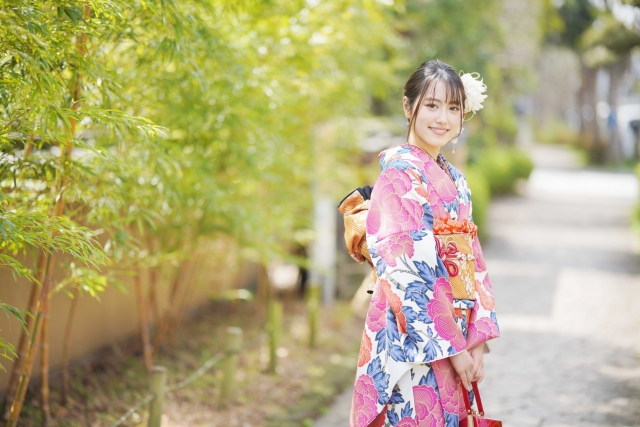
The Path to Adulthood
この町には何もない。(There is nothing in this town.)
ဒီမြို့မှာ ဘာမှမရှိဘူး။
古い商店街には、シャッターが下りた店ばかり。(In the old shopping district, there are only shops with their shutters down.)
မြို့ဟောင်းဈေးထဲမှာ ဆိုင်ပိတ်ထားတဲ့ဆိုင်တွေချည်းပဲ။
バスも1時間に1本しか来ない。(Buses only come once an hour.)
ဘတ်စ်ကားကလည်း တစ်နာရီမှ တစ်စီးပဲလာတယ်။
街灯がないから夜になると、道が真っ暗になる。(Because there are no streetlights, the roads become completely dark at night.)
မီးတိုင်မရှိလို့ ညဆို လမ်းတွေ မှောင်မိုက်နေတယ်။
遠くで野犬の鳴き声が聞こえるし、近くではカエルの大合唱。(I can hear wild dogs barking in the distance, and a chorus of frogs nearby.)
အဝေးကနေ ခွေးရိုင်းတွေအော်သံကြားရသလို၊ အနီးအနားမှာလည်း ဖားတွေရဲ့ သံစဉ်ပေါင်းစုံ ကြားနေရတယ်။
田んぼと畑ばかりなのだ。(There are only rice paddies and fields.)
လယ်တွေနဲ့ ယာတွေချည်းပဲ။
お父さんは、数年前に病気で亡くなった。(My father passed away from an illness a few years ago.)
အဖေက လွန်ခဲ့တဲ့ နှစ်အနည်းငယ်က ရောဂါနဲ့ဆုံးသွားပြီ။
家にはお母さんと私だけが残された。(Only my mother and I were left in the house.)
အိမ်မှာ အမေနဲ့ ကျွန်မပဲ ကျန်ခဲ့တယ်။
だから、大学に行くお金なんてない。(So, I don’t have money to go to university.)
ဒါကြောင့် တက္ကသိုလ်တက်ဖို့ ပိုက်ဆံမရှိဘူး။
高校を卒業したら、すぐに働かないといけない。(After graduating from high school, I have to start working right away.)
အထက်တန်းကျောင်းပြီးရင် ချက်ချင်းအလုပ်လုပ်ရမယ်။
私は、もうすぐ高校を卒業する。(I will graduate from high school soon.)
ကျွန်မ မကြာခင် အထက်တန်းကျောင်းပြီးတော့မယ်။
でも、この町には、働く場所なんてほとんどない。(But there are hardly any places to work in this town.)
ဒါပေမယ့် ဒီမြို့မှာ အလုပ်လုပ်ဖို့ နေရာ သိပ်မရှိဘူး။
工場もない。会社もない。(There are no factories. There are no companies.)
စက်ရုံလည်းမရှိဘူး။ ကုမ္ပဏီလည်းမရှိဘူး။
駅前のスーパーも、来月で閉店する。(The supermarket in front of the station will also close next month.)
ဘူတာရှေ့က စူပါမားကတ်လည်း နောက်လမှာ ပိတ်တော့မယ်။
東京で働こう。(Let’s work in Tokyo.)
တိုကျိုမှာ အလုပ်လုပ်ကြစို့။
高いビルが並ぶ、にぎやかな街。(A bustling city with tall buildings lining up.)
မြင့်မားတဲ့ အဆောက်အဦတွေ တန်းစီနေတဲ့ စည်ကားတဲ့မြို့။
人が多くて、店も多くて、電車もすぐに来る。(There are many people, many shops, and trains come quickly.)
လူများတယ်၊ ဆိုင်များတယ်၊ ရထားလည်း ချက်ချင်းလာတယ်။
チャンスもきっと、そこにはたくさんある。(There must be many opportunities there.)
အခွင့်အရေးတွေလည်း အဲဒီမှာ အများကြီးရှိမှာ သေချာတယ်။
少し怖いけど…。正直、楽しみ。(It’s a little scary… but honestly, I’m looking forward to it.)
နည်းနည်းတော့ ကြောက်ပေမယ့်… ရိုးရိုးသားသားပြောရရင် စိတ်လှုပ်ရှားတယ်။
知らない場所だからこそ、自分を試してみたい。(Precisely because it’s an unknown place, I want to test myself.)
မသိတဲ့နေရာဖြစ်နေလို့ ကိုယ့်ကိုယ်ကိုယ် စမ်းသပ်ကြည့်ချင်တယ်။
お母さんも、反対しなかった。(My mother didn’t object either.)
အမေလည်း ကန့်ကွက်မလုပ်ခဲ့ဘူး။
「そう、行っておいで」と言ってくれた。(She told me, “Yes, go ahead and go.”)
“ဟုတ်ပြီ၊ သွားလိုက်ပါ” လို့ ပြောခဲ့တယ်။
でも、お母さんは……ひとりになってしまう。(But my mother… will be left alone.)
ဒါပေမယ့် အမေက… တစ်ယောက်တည်း ကျန်ခဲ့လိမ့်မယ်။
それが気になって、「心細くないの?」と聞いた。(Worried about that, I asked, “Aren’t you lonely?”)
အဲဒါကို စိတ်ပူပြီး “တစ်ယောက်တည်းဆို စိတ်မချမ်းသာဘူးလား” လို့ မေးခဲ့တယ်။
そしたら、お母さんは料理をつくりながら笑って、こう言った。(Then my mother smiled while cooking and said this.)
အဲဒီအခါ အမေက ဟင်းချက်ရင်း ပြုံးပြီး ဒီလိုပြောခဲ့တယ်။
「何もしないあなたを見るのが一番イヤよ。やりたいことをやりなさい」( “The thing I hate most is seeing you do nothing. Do what you want to do.”)
“ဘာမှမလုပ်ဘဲနေတဲ့ မင်းကို ကြည့်ရတာ အကြိုက်ဆုံးပဲ။ လုပ်ချင်တာကို လုပ်ပါ”
…そりゃ、そうだよね。( …Well, that’s true.)
…အဲဒါကတော့ မှန်ပါတယ်။
お母さんは、ひとりでもきっと大丈夫だろう。(My mother will surely be fine even by herself.)
အမေက တစ်ယောက်တည်းဆိုလည်း သေချာပေါက် အဆင်ပြေမှာပါ။
私よりずっと強い人だから。(Because she is a much stronger person than I am.)
ကျွန်မထက် အများကြီး ပိုသန်မာတဲ့သူမို့လို့။
出発の朝が来た。(The morning of departure arrived.)
ထွက်ခွာမယ့် မနက် ရောက်လာပြီ။
空は少しかすんでいて、遠くの山がぼんやり見えている。(The sky was a little hazy, and the distant mountains were faintly visible.)
ကောင်းကင်က နည်းနည်းမှုန်မှိုင်းနေပြီး အဝေးက တောင်တွေက မှိန်ပြပြ မြင်နေရတယ်။
少し肌寒い。(It’s a little chilly.)
နည်းနည်း အေးစိမ့်စိမ့်ရှိတယ်။
玄関先で、お母さんは静かに私を見ていた。(At the entrance, my mother was quietly watching me.)
အိမ်ရှေ့မှာ အမေက ကျွန်မကို တိတ်ဆိတ်စွာ ကြည့်နေခဲ့တယ်။
あたたかい目。(Warm eyes.)
နွေးထွေးတဲ့ မျက်လုံးတွေ။
でも、その奥には、少しだけ寂しさも見えた。(But behind them, I could also see a hint of loneliness.)
ဒါပေမယ့် အဲဒီနောက်မှာ နည်းနည်းလေး ဝမ်းနည်းမှုလည်း မြင်နေရတယ်။
「体に気をつけてね」( “Take care of yourself.”)
“ကိုယ်ခံအား ကောင်းအောင် ဂရုစိုက်ပါ”
そのたった一言だけど、その声を聞いた瞬間、息が止まる。(It was just one word, but the moment I heard that voice, my breath stopped.)
အဲဒီတစ်ခွန်းတည်းသော စကားပေမယ့် အဲဒီအသံကို ကြားလိုက်တဲ့အခါ အသက်ရှူရပ်သွားတယ်။
誤魔化していた何かを痛感して、息苦しくて、全身が熱くなる。(I keenly felt something I had been trying to deceive myself about, and it was suffocating, and my whole body became hot.)
လှည့်စားထားတဲ့ တစ်ခုခုကို ပြင်းပြင်းထန်ထန် ခံစားရပြီး မွန်းကြပ်ကာ တစ်ကိုယ်လုံး ပူနွေးလာတယ်။
心の奥から、何かがあふれ出しそうになった。(Something was about to overflow from the depths of my heart.)
စိတ်နှလုံးသားထဲကနေ တစ်ခုခု လျှံကျလာတော့မလို ဖြစ်လာတယ်။
もちろん、楽しいことばかりじゃない。(Of course, it wasn’t all fun things.)
ဟုတ်ပါတယ်၊ ပျော်စရာတွေချည်း မဟုတ်ခဲ့ဘူး။
何度も喧嘩して、何度も怒鳴って、(We argued many times, shouted many times,)
အကြိမ်ကြိမ် ရန်ဖြစ်ခဲ့ပြီး၊ အကြိမ်ကြိမ် အော်ဟစ်ခဲ့တယ်၊
何度もお母さんを悲しませた。(and made my mother sad many times.)
အမေ့ကို အကြိမ်ကြိမ် စိတ်မကောင်းဖြစ်အောင် လုပ်ခဲ့တယ်။
だけど。(But.)
ဒါပေမယ့်။
それでも、私はいつも守られていた。(Even so, I was always protected.)
သို့တိုင် ကျွန်မကို အမြဲတမ်း ကာကွယ်ပေးခဲ့တယ်။
気がついたら、私はお母さんの胸に飛び込んでいた。(Before I knew it, I had thrown myself into my mother’s arms.)
သတိထားမိလိုက်တော့ ကျွန်မ အမေ့ရင်ခွင်ထဲ ခုန်ဝင်သွားခဲ့တယ်။
子どものように泣いて、泣いて、泣きじゃくった。(I cried like a child, cried and sobbed.)
ကလေးတစ်ယောက်လို ငိုပြီး၊ ငိုပြီး၊ ရှိုက်ကြီးတငင် ငိုကြွေးခဲ့တယ်။
もっとお母さんの手伝いをすればよかった。(I should have helped my mother more.)
အမေ့ကို ပိုပြီး ကူညီပေးခဲ့သင့်တယ်။
もっとお母さんと話せばよかった。(I should have talked to my mother more.)
အမေနဲ့ ပိုပြီး စကားပြောခဲ့သင့်တယ်။
思い出と後悔が混ざり合って、ぐちゃぐちゃになる。(Memories and regrets mixed together, becoming a mess.)
အမှတ်တရတွေနဲ့ နောင်တတွေ ရောနှောပြီး ရှုပ်ထွေးသွားတယ်။
お母さんは何も言わない。(My mother didn’t say anything.)
အမေက ဘာမှမပြောဘူး။
ただ、その手が、少しだけ震えていて…。(Only, her hand was trembling slightly…)
ဒါပေမယ့် သူ့လက်က နည်းနည်းလေး တုန်နေပြီးတော့…
その手が私の背中を優しくなでていた。(That hand gently stroked my back.)
အဲဒီလက်က ကျွန်မရဲ့ ကျောပြင်ကို ညင်သာစွာ ပွတ်သပ်ပေးနေခဲ့တယ်။
どれくらいの時間、そうしていたんだろう。(How long were we like that, I wonder.)
ဘယ်လောက်ကြာကြာ ဒီလိုနေခဲ့လဲ မသိဘူး။
やがて、私は顔を上げた。(Eventually, I looked up.)
နောက်ဆုံးတော့ ကျွန်မ မျက်နှာကို မော့လိုက်တယ်။
涙をふいて、小さくうなずく。(I wiped away my tears and nodded slightly.)
မျက်ရည်တွေကို သုတ်ပြီး ခပ် lightly ခေါင်းညိတ်လိုက်တယ်။
歩き出す。(I started walking.)
လမ်းလျှောက်ထွက်တယ်။
振り返らない。(I didn’t look back.)
နောက်ပြန်မကြည့်ဘူး။
遠くの空で、飛行機が静かに飛んでいた。(In the distant sky, an airplane was quietly flying.)
အဝေးက ကောင်းကင်မှာ လေယာဉ်တစ်စင်း တိတ်ဆိတ်စွာ ပျံသန်းနေခဲ့တယ်။