Hello everyone! Have you ever experienced a Japanese summer? It’s famous for its unique blend of warmth and vibrant festivals, but also for its special ways to beat the heat. After a refreshing swim, there’s nothing better than a delicious, chilled sweet!
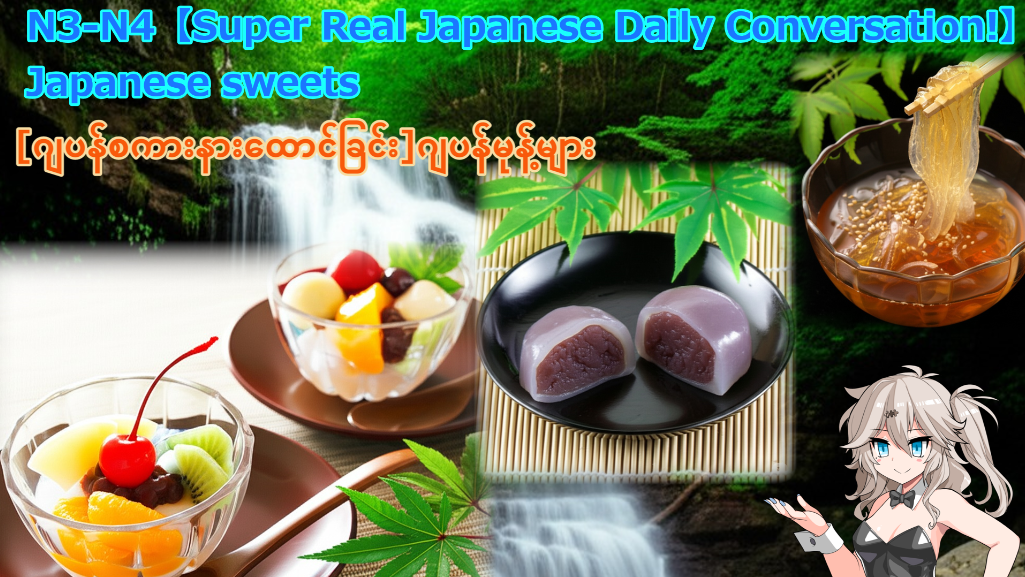
In our latest video, join us as we chat about our favorite Japanese summer desserts. You’ll see iconic sweets like kakigori (shaved ice) with various flavors – classic strawberry, or the sophisticated matcha! We’ll also introduce you to traditional wagashi (Japanese confections) like clear, jelly-like Kuzu-manju and refreshing mizu-yokan.
View Related Articles (Tap to expand/collapse)
Let's Talk Weather: Essential Japanese Phrases
『Feeling It』 Describing Physical Sensations in Japanese
Feeling Under the Weather? Essential Japanese Phrases for Medical Symptoms
Feelings in Japanese: Express Yourself!
Get to Know Your 『Karada』 Essential Japanese Body Parts
Mastering Japanese Actions: Essential Phrases
Unlocking Japanese Personalities
Mastering 「How Things Are」 Describing States in Japanese 『状態』
Flow Like a Native『Essential Japanese Connectors』
Mastering Japanese Demonstratives: Pointing Things Out Like a Pro
Navigating Japan: Essential Phrases for Locations and Directions
Connecting in Japanese: Talking About Family and Relationships
School Life in Japan: Key Phrases to Know
Essential Japanese Phrases for Your Workplace
What's Your Job? Learning Japanese Occupations
Getting Around Japan: Useful Phrases for Town and Facilities
Connect with Nature: Essential Japanese Phrases for the Outdoors
Be Prepared: Japanese Phrases for Disasters & Accidents
Making Yourself at Home: Essential Japanese Phrases for Inside the House
Level Up Your Japanese: Hobbies & Sports Phrases!
On the Go in Japan: Essential Vehicle and Transportation Phrases
Mastering Japanese Roads: Key Phrases You Need
Discover Japanese for Living Creatures
Fresh Japanese: Talking About Vegetables and Fruits
Cooking Up Conversation: Essential Japanese for Ingredients
Sip into Japanese: Essential Beverage Phrases
Savor the Flavor: Essential Japanese Taste & Texture Words
Beyond 「Itadakimasu」 Japanese Eating & Drinking Actions
Your Guide to Japanese Kitchen & Dining Essentials
Your Guide to Japanese Home Appliance Vocab
Let's Cook! Essential Japanese Actions for the Kitchen
Painting Your World: Essential Japanese Color Phrases
Tidy Up Your Japanese: Essential Phrases for Cleaning
Essential Japanese for Your Health: Talking About Medicine
Navigating Medical Equipment in Japanese
Feeling Under the Weather? Essential Japanese Healthcare Phrases
Navigating 「Kaigo」 Essential Japanese for Nursing Care
Navigating Japan: Essential Phrases for Living and Contracts
Getting Around Japan: Essential Phrases for Travelers
Essential Japanese Phrases for Crime & Incidents
Navigating Japanese Politics: Essential Phrases
Your Essential Japanese Phrases for Public Services & Taxes
Justice & Law in Japanese: Words You Need
Essential Japanese for Economy & Business
Unlock Japanese: Resources & Energy Vocabulary
Measuring Up: Essential Japanese for Units and Math
Unlock Japanese Calendar & Event Talk
Mastering Japanese Days & Time!
Raw Japanese: 270+ Negative Words, Complaints & Harsh Expressions
Real Japanese Slang: 120+ Internet Terms, Buzzwords & Street Talk
Who's Who? Understanding Other Japanese Person Titles
Uncensored Japanese: Taboo Words, Anime Tropes & Underground Slang
Expressing Love and Peace in Japanese
Beyond Words: Discover Japanese Onomatopoeia
Learn Japanese with Anime and Internet Slang: 10 Ways to Say 『How Are You?』
Japanese Anime and Internet Slang Expressions of 'Haha! That's Funny!
Learn Japanese with Hilarious Anime Quotes! Practical Phrases from Your Favorite Shows [Part 1]
Learn Japanese with Hilarious Anime Quotes! Practical Phrases from Your Favorite Shows [Part 2]
Learn Japanese with Listening Tests: Master Phrases from Anime and Everyday Situations!
Mastering Japanese Apology Phrases! How to Use 'Sorry' Naturally
Natural Japanese Conversations! How to Use and Respond to 'How Have You Been?
Different Ways to Say 'Good Morning' in Japanese!
Must-See! A Huge Collection of Irritated & Angry Phrases from Anime Girls!
Anime Character Farewell Voices! ""Sayonara"" Phrases for Every Situation
Japanese Dating Phrases with Anime! Learning to Invite Japanese Women: Dos and Don'ts
Japanese Greetings with Anime Characters!
Practice Japanese Question Words with Anime-style Conversations
Improve Your Conversation Skills! Learn Natural Japanese Through Small Talk
Chat with Anime Characters! Learn Real Japanese Through Casual Conversations Among Young People
The Truth About Ninjas!? Learn Japanese & History in a Fun Way
【Anime for learning Japanese】A Story of a Cat and a Girl【Japanese daily conversation level: N3-N1】
Just Listen!「Master Practical Listening」
【Anime for learning Japanese】The Path to Adulthood【Japanese daily conversation level: N3-N1】
Super Real Japanese Daily Conversation!Just Listen!「Japanese sweets」

Japanese summer sweets
「ふぅ〜。泳いだ泳いだ〜」(Phew~ I swam a lot!)
(ဖူး~ ရေတွေအများကြီးကူးခဲ့တယ်~)
「久しぶりに泳ぐと気持ちいいね!」(It feels good to swim after a long time!)
(အချိန်အကြာကြီးနေမှ ရေကူးရတာ ကောင်းလိုက်တာ!)
「だよな!夏って感じがするわ」(Right! It feels like summer!)
(ဟုတ်တယ်! နွေရာသီလို့ ခံစားရတယ်!)
「でさ、夏のお菓子といえば『かき氷』だよな!」(So, when it comes to summer sweets, it’s kakigori, right?)
(ဒီတော့ နွေရာသီမုန့်ဆိုရင် kakigori ပဲလေနော်!)
「うん、たしかに!私はイチゴ味が好きかな〜」(Yeah, definitely! I guess I like strawberry flavor~)
(အင်း ဟုတ်တယ်! ငါကတော့ စတော်ဘယ်ရီအရသာကို ကြိုက်မယ်ထင်တယ်~)
「え〜、イチゴ?子どもかよ」(Huh~ Strawberry? Are you a kid?)
(ဟင်~ စတော်ဘယ်ရီလား ကလေးလားကွာ)
「日本人なら抹茶でしょ、抹茶!」(If you’re Japanese, it’s matcha, matcha!)
(ဂျပန်လူမျိုးဆိုရင် matcha ပေါ့ matcha!)
「抹茶もいいけどさぁ、イチゴはやっぱり王道!」(Matcha is good, but strawberry is still the classic!)
(Matcha က ကောင်းပေမယ့် စတော်ဘယ်ရီကတော့ အမှန်တကယ်ကို အခြေခံပဲ!)
「いやいや、宇治金時とか最高だって」(No, no, Ujikintoki is the best!)
(မဟုတ်ဘူး မဟုတ်ဘူး Ujikintoki တို့ဆို အကောင်းဆုံးပဲ)
「宇治金時って、抹茶とあんこのやつだっけ?」(Ujikintoki, is that the one with matcha and anko?)
(Ujikintoki ဆိုတာ matcha နဲ့ ပဲနီအနှစ်နဲ့ ဟာလား)
「そうそう。大人の味ってやつ!」(That’s right. It’s an adult taste!)
(အဲဒါပဲ လူကြီးအရသာပေါ့!)
「ふふ、ちょっと渋いな」(Hehe, that’s a bit sophisticated.)
(ဟဲဟဲ နည်းနည်း ရင့်ကျက်တာပေါ့)
「あとさ、ブルーハワイってあるじゃん?」(And there’s Blue Hawaii, right?)
(ပြီးတော့ ဘလူးဟာဝိုင်ဆိုတာ ရှိတယ်မလား)
「あるある!あの青いやつね!」(Yeah, yeah! That blue one!)
(ရှိတယ် ရှိတယ် အပြာရောင်လေးလေ!)
「あれ、見た目はいいけど、何味なのかよく分かんないんだよな」(That one looks good, but I’m not sure what flavor it is.)
(အဲ့ဒါက ကြည့်ရတာတော့ ကောင်းပေမယ့် ဘာအရသာလဲဆိုတာ သိပ်မသိရဘူး)
「たしかに(笑)
でも、なんか夏っぽくて好き」(True (laughs)
But I like it because it feels summery.)
(မှန်တာပေါ့ (ရယ်လျက်)
ဒါပေမယ့် နွေရာသီဆန်လို့ ကြိုက်တယ်)
「俺さ、チョコミントだけは無理なんだよ…」(For me, I just can’t do chocolate mint…)
(ငါကလေ ချောကလက်မစ်န့်ဆို မရဘူး…)
「えっ!チョコミント美味しいじゃん!」(What! Chocolate mint is delicious!)
(ဟဲ့ ချောကလက်မစ်န့်က အရသာရှိတာပဲကို!)
「いやいや、歯みがき粉食べてる気分になるって!」(No, no, it feels like I’m eating toothpaste!)
(မဟုတ်ဘူး မဟုတ်ဘူး သွားတိုက်ဆေးစားနေရသလို ခံစားရတယ်!)
「それよく言う人いるけど、あのスーッとした感じがいいのに〜」(Some people say that often, but that refreshing feeling is good~)
(အဲ့ဒါကို ပြောတဲ့သူတွေ အများကြီးပဲ ဒါပေမယ့် အေးမြတဲ့ ခံစားချက်က ကောင်းပါတယ်~)
「うーん、俺は抹茶以外だったらメロン味だな」(Hmm, if it’s not matcha, I’d go for melon flavor.)
(အင်း ငါကတော့ matcha ကလွဲရင် ဖရဲသီးအရသာပဲ)
「メロンも定番だよね。シロップたっぷりだと嬉しくなる」(Melon is also a classic, isn’t it? I get happy when there’s lots of syrup.)
(ဖရဲသီးကလည်း အခြေခံပဲလေနော်။ ဆီရပ်တွေ အများကြီးဆို ပျော်မိတယ်)
「だろ?あと、レモン味も意外とさっぱりしてて好き」(Right? And I surprisingly like lemon flavor for its refreshing taste.)
(ဟုတ်တယ်မလား ပြီးတော့ သံပုရာအရသာကလည်း မထင်မှတ်ဘဲ လန်းဆန်းစေလို့ ကြိုက်တယ်)
「うんうん。暑い日にピッタリだね」(Yeah, yeah. Perfect for a hot day.)
(အင်း အင်း ပူတဲ့နေ့မှာ လိုက်ဖက်တာပဲ)
「そういや、『葛まんじゅう』も夏のお菓子って感じするよな〜」(Oh, speaking of which, Kuzumanju also feels like a summer sweet, doesn’t it?)
(ဪ ပြောရအုံးမယ် Kuzumanju ကလည်း နွေရာသီမုန့်လို ခံစားရတယ်နော်~)
「あ〜、透明でプルプルしてるやつ!冷たくて美味しいよね」(Ah~ The clear, wobbly one! It’s cold and delicious, isn’t it?)
(အာ~ ကြည်လင်ပြီး တုန်နေတဲ့ဟာ! အေးအေးလေးနဲ့ အရသာရှိတယ်နော်)
「あれ、冷蔵庫で冷やしてから食べると最高」(That’s the best when you chill it in the fridge before eating.)
(အဲ့ဒါကို ရေခဲသေတ္တာထဲမှာ အအေးခံပြီးမှ စားရင် အကောင်းဆုံးပဲ)
「私は『あんみつ』も好きかな〜」(I guess I also like Anmitsu~)
(ငါကတော့ Anmitsu ကိုလည်း ကြိုက်မယ်ထင်တယ်~)
「あ、寒天とフルーツのやつか!黒みつかけて食べるやつ?」(Ah, the one with kanten and fruit! The one you eat with kuromitsu?)
(အာ kanten နဲ့ သစ်သီးနဲ့ဟာလား! kuromitsu လောင်းပြီး စားတာလား)
「そうそう!いろんな味がして楽しいんだよね」(That’s right! It’s fun because there are so many different flavors.)
(အဲဒါပဲ! အရသာမျိုးစုံရှိလို့ ပျော်စရာကောင်းတယ်)
「あと、『水ようかん』も夏にいいよな」(Also, Mizuyokan is good for summer, isn’t it?)
(ပြီးတော့ Mizuyokan ကလည်း နွေရာသီအတွက် ကောင်းတယ်နော်)
「うんうん、普通の『ようかん』よりもあっさりしてて、食べやすいし」(Yeah, yeah, it’s lighter than regular ‘yokan’ and easier to eat.)
(အင်း အင်း ရိုးရိုး’yokan’ ထက် ပေါ့ပါးပြီး စားရတာလည်း လွယ်တယ်)
「冷たい和菓子って、なんか落ち着くよな」(Cold Japanese sweets are somehow calming, aren’t they?)
(အေးတဲ့ wagashi (ဂျပန်ရိုးရာမုန့်)
က ဘာကြောင့်မှန်းမသိ စိတ်ကို ငြိမ်သက်စေတယ်နော်)
「うん、日本の夏って感じがする」(Yeah, it feels like Japanese summer.)
(အင်း ဂျပန်နွေရာသီလို့ ခံစားရတယ်)
「あ、『ところてん』って甘いお菓子じゃないけど、冷たくて好き」(Oh, ‘Tokoroten’ isn’t a sweet snack, but I like it because it’s cold.)
(အာ ‘Tokoroten’ က ချိုတဲ့မုန့်မဟုတ်ပေမယ့် အေးလို့ ကြိုက်တယ်)
「えっ、ところてんって、あの酢醤油かけるやつ?」(What, Tokoroten, is that the one you put vinegar soy sauce on?)
(ဟဲ့ Tokoroten ဆိုတာ အချဉ်ရည် ဆမ်းပြီးစားတဲ့ဟာလား)
「そうそう。ツルッとしてて、のどごしが最高なんだよ」(That’s right. It’s smooth and has the best texture going down your throat.)
(အဲဒါပဲ။ ချောမွေ့ပြီး လည်ချောင်းထဲ ဝင်တာ အကောင်းဆုံးပဲ)
「たしかに。和菓子っていうより、ヘルシーな軽食って感じかもね」(True. It’s more like a healthy light meal than a wagashi, maybe.)
(မှန်တာပေါ့။ wagashi လို့ပြောတာထက် ကျန်းမာရေးနဲ့ညီတဲ့ သရေစာလို့ ခံစားရတာ ဖြစ်မယ်)
「そうなんだよ。でも俺にとっては和菓子なんだよなぁ」(That’s right. But for me, it’s a wagashi.)
(အဲဒါပဲ။ ဒါပေမယ့် ငါ့အတွက်ကတော့ wagashi ပဲ)
「アハハ!あの…そうなの?でも確かに気持ちはわかるかも」(Ahaha! Oh… really? But I can certainly understand the feeling.)
(အဟားဟား! အဲ့…ဟုတ်လား? ဒါပေမယ့် ခံစားချက်ကိုတော့ နားလည်ပါတယ်)
「あ、そうだ。私『ずんだ餅』もたまに食べたくなるんだよね〜」(Oh, that’s right. I sometimes want to eat ‘Zundamochi’ too~)
(ဪ ဟုတ်သားပဲ။ ငါလည်း Zundamochi ကို တစ်ခါတစ်လေ စားချင်လာတယ်~)
「あ〜、あの緑のやつ?枝豆の『あんこ』だっけ?」(Ah~ that green one? Is it edamame ‘anko’ (sweet bean paste)
?)
(အာ~ အစိမ်းရောင်လေးလား? ပဲပြားချိုချို (anko)
လား)
「そうそう。甘さ控えめで夏向きかも」(That’s right. It’s subtly sweet and might be good for summer.)
(အဲဒါပဲ။ အချိုဓာတ်နည်းနည်းနဲ့ နွေရာသီနဲ့ လိုက်ဖက်မယ်ထင်တယ်)
「へぇ、今度食べてみよ。あ、俺、『塩豆大福』も地味に好き」(Huh, I’ll try it next time. Oh, I secretly like ‘Shiomame Daifuku’ too.)
(ဟဲ နောက်တစ်ခါ စားကြည့်ရအောင်။ အာ ငါကတော့ Shiomame Daifuku ကိုလည်း ကြိတ်ပြီးကြိုက်တယ်)
「ちょっとぉ、夏の和菓子と関係ないじゃん」(Hey, that’s not related to summer wagashi, is it?)
(ဟဲ့ နွေရာသီ wagashi နဲ့ မဆိုင်ဘူးလေ)
「おいおい。『ずんだ餅』も夏と関係ないだろ。塩豆大福は、あのしょっぱい豆と甘いあんこのバランスが絶妙なんだよ」(Hey, hey. ‘Zundamochi’ isn’t related to summer either, is it? Shiomame Daifuku has that exquisite balance of salty beans and sweet anko.)
(ဟေး ဟေး။ Zundamochi ကလည်း နွေရာသီနဲ့ မဆိုင်ဘူးမလား။ Shiomame Daifuku က အဲ့ဒီငန်တဲ့ပဲနဲ့ ချိုတဲ့ anko ရဲ့ ဟန်ချက်ညီမှုက အကောင်းဆုံးပဲ)
「アハハ!あの~、うちのおじいちゃんと同じこと言ってる」(Ahaha! You’re saying the same thing as my grandpa.)
(အဟားဟား! အဲ့… ငါ့အဘိုးနဲ့ အတူတူပဲ ပြောနေတယ်)
「あとさ、わらび餅!あれも夏の定番じゃね?」(And then there’s Warabimochi! Isn’t that also a summer classic?)
(ပြီးတော့ Warabimochi! အဲ့ဒါလည်း နွေရာသီရဲ့ အဓိကပဲ မဟုတ်လား)
「わかるよ〜!あの『きな粉』たっぷりのやつ!」(I know~! The one with lots of ‘kinako’ (roasted soybean flour)
!)
(သိတယ်~ ‘kinako’ (ပဲမှုန့်)
အများကြီးပါတဲ့ဟာ!)
「そう!あれ冷やして食べると、もっちもちで最高なんだよな〜」(That’s right! When you chill it and eat it, it’s so delightfully chewy and the best~)
(အဲဒါပဲ! အအေးခံပြီး စားရင် ပျော့အိအိလေးနဲ့ အကောင်းဆုံးပဲ~)
「『黒みつ』かけるとさらに美味しいよね」(It’s even more delicious with ‘kuromitsu’ (black sugar syrup)
on it, right?)
(kuromitsu (အမဲရည်)
လောင်းပြီး စားရင် ပိုပြီး အရသာရှိတယ်နော်)
「そうそう、あれって、おばあちゃんの家に行ったら冷蔵庫によくあるんだよ」(That’s right, you often find that in the fridge at grandma’s house.)
(အဲဒါပဲ အဲ့ဒါက အဖွားအိမ်သွားရင် ရေခဲသေတ္တာထဲမှာ မကြာခဏ ရှိတတ်တယ်)
「あ〜分かる!おばあちゃんの夏の『おやつ』って感じ!」(Ah~ I get it! It feels like grandma’s summer ‘oyatsu’ (snack)
!)
(အာ~ သိတယ်! အဖွားရဲ့ နွေရာသီ ‘oyatsu’ လို့ ခံစားရတယ်!)
「あとさ、冷やした『みたらし団子』もうまいよ」(And also, chilled ‘Mitarashi Dango’ is good too.)
(ပြီးတော့ အအေးခံထားတဲ့ ‘Mitarashi Dango’ လည်း အရသာရှိတယ်)
「え?団子ってあったかいイメージだけど」(Huh? Dango has a warm image though.)
(ဟင်? Dango က နွေးနွေးလေးလို့ မြင်မိတာပဲ)
「うん。でも冷やしても意外とうまいんだよ」(Yeah. But it’s surprisingly good even when chilled.)
(အင်း။ ဒါပေမယ့် အအေးခံထားရင်လည်း မထင်မှတ်ဘဲ အရသာရှိတယ်)
「へぇ〜!今度やってみよ」(Huh~ I’ll try it next time.)
(ဟဲ~ နောက်တစ်ခါ လုပ်ကြည့်ရအောင်)
「冷たい和菓子って、見てるだけで、涼しい気分になるよな」(Just looking at cold wagashi makes you feel cool, doesn’t it?)
(အေးတဲ့ wagashi (ဂျပန်ရိုးရာမုန့်)
ဆိုတာ ကြည့်ရုံနဲ့ အေးမြတဲ့ ခံစားမှုရစေတယ်နော်)
「うん、日本の夏って感じがする」(Yeah, it feels like Japanese summer.)
(အင်း ဂျပန်နွေရာသီလို့ ခံစားရတယ်)
「よし、帰りにコンビニ寄って、なんか買って食おうぜ」(Alright, let’s stop by a convenience store on the way home and buy something to eat.)
(ကောင်းပြီ အပြန်လမ်းမှာ ကွန်ဗင်းနီးယန့်စတိုး ဝင်ပြီး တစ်ခုခု ဝယ်စားရအောင်)
「さんせーい♪じゃあ、チョコミント一緒に食べようよ!」(I agree~! Then, let’s eat chocolate mint together!)
(သဘောတူတယ်~! ဒါဆို ချောကလက်မစ်န့် အတူတူစားကြရအောင်!)
「チョコミントだけは嫌だ(笑)
」(I just don’t like chocolate mint (laughs)
.)
(ချောကလက်မစ်န့်ဆို မကြိုက်ဘူး (ရယ်လျက်)
)